Flooring trends 2026
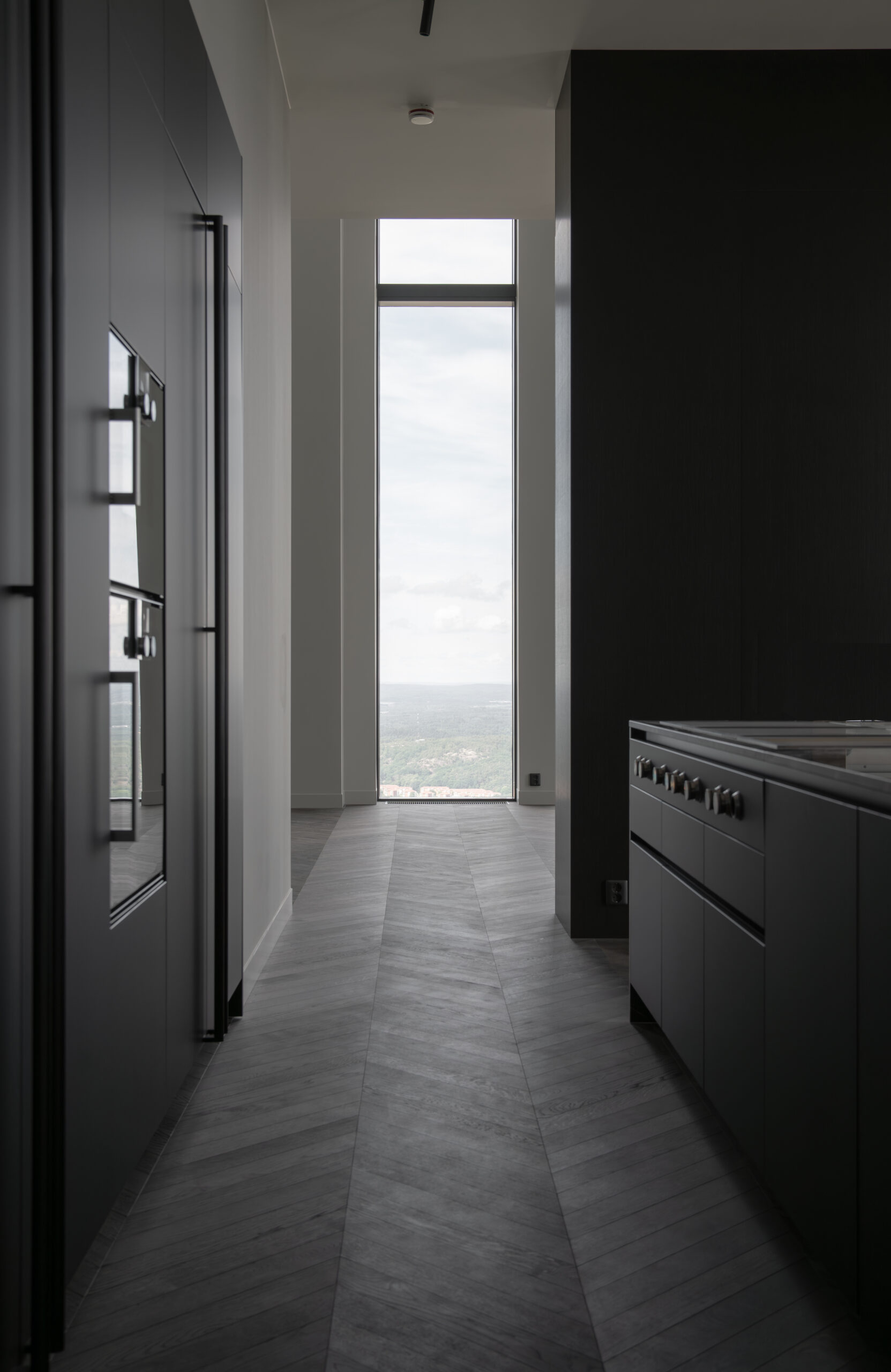
Dark chevron floor
As we enter a new year, it’s once again time for CHEVRON’s trend forecast for 2026. Our close collaborations with leading and innovative architects and designers give us a clear picture of what lies ahead – with natural materials playing an ever greater role in our homes and spaces. Floors are no longer just a practical surface, but a central part of the architecture – a canvas that sets the tone for the entire room. We see a move towards bold contrasts, nature-inspired colours and a return of classic influences, while innovative and internationally inspired finishes open up unique expressions.
Overview of the 2026 flooring trends:
- Dark colours
- Large dimensions
- Scandinavian minimalism gets an international touch
- More wood species take their place
- Wood throughout the interior
1 — Darker colour choices
Dark colours on wooden floors are set to become a leading trend in 2026. They bring a sophisticated and dramatic aesthetic to modern homes and interiors. These deep shades, such as brown-stained oak, smoked oak or black-stained ash, convey a sense of timeless elegance while creating a contrast against lighter walls and furniture. Dark wooden floors act as a stable foundation that anchors the space and gives it a sense of warmth and depth.
At a time when minimalist design meets personal character, dark floors strike the perfect balance between the classic and the contemporary. They bring out details such as rugs, furniture and artwork, and help create a dynamic and inviting environment. Dark floors are also an excellent choice for creating a luxurious feel in small rooms as well as large, open spaces. The trend also reflects a growing awareness of natural materials and sustainability. By choosing dark shades, you can create a unique and authentic feel that suits both urban and rural homes.
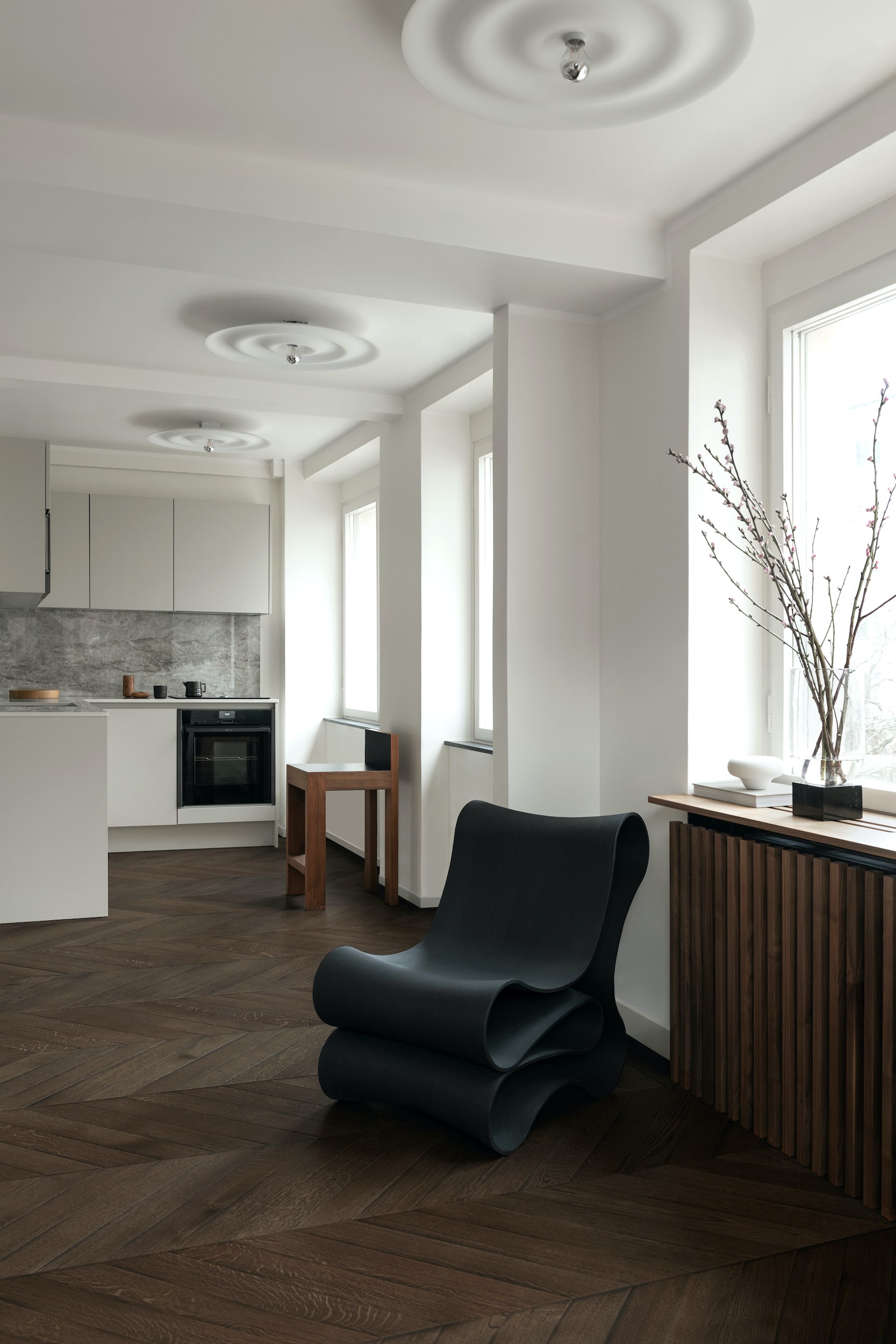
Chevron floor in dark oak, from Grand Relations’ office
2 — Large dimensions
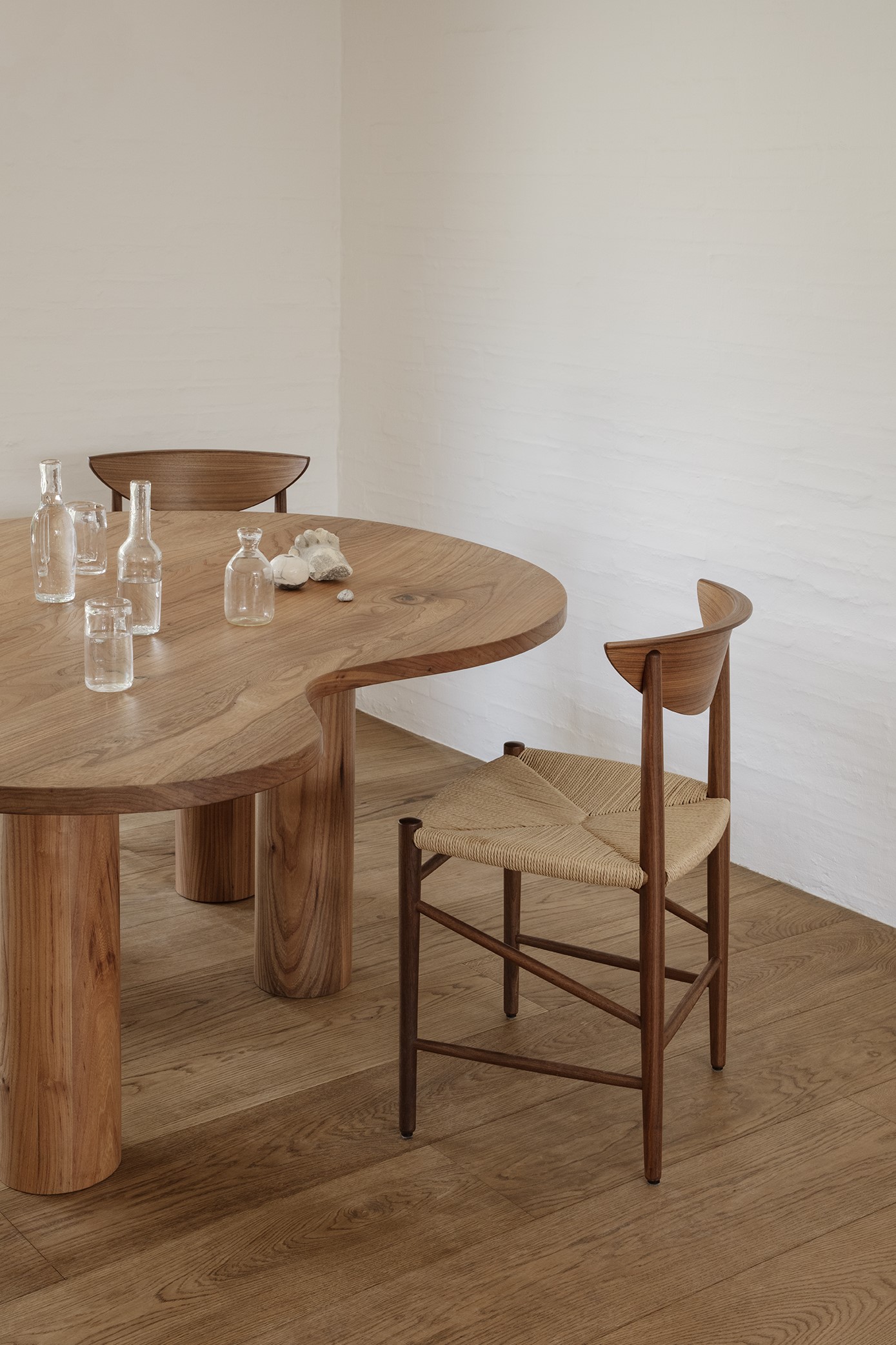
For 2026, we see a clear shift towards wider and longer dimensions in wooden floors – in plank flooring, chevron floors and herringbone parquet alike. The generous sizes give rooms a sense of space and flow, and create a natural elegance that highlights both the materiality of the floor and the architecture as a whole. Wide planks give a grounded and robust feel, and their size makes each floorboard feel like a work of art in its own right – an expression of natural beauty. The longer dimensions deepen this feeling and reinforce an impression of uninterrupted movement through the room, as if the floor itself contributes to the room’s flow and rhythm. The trend meets a need to create more open and connected spaces, where the larger floor ties the different parts of the interior together and gives a sense of continuity. The width and length of the wooden floor open up new possibilities for designing and adapting the space, while the deep, rich wood tones create a warm, inviting atmosphere.
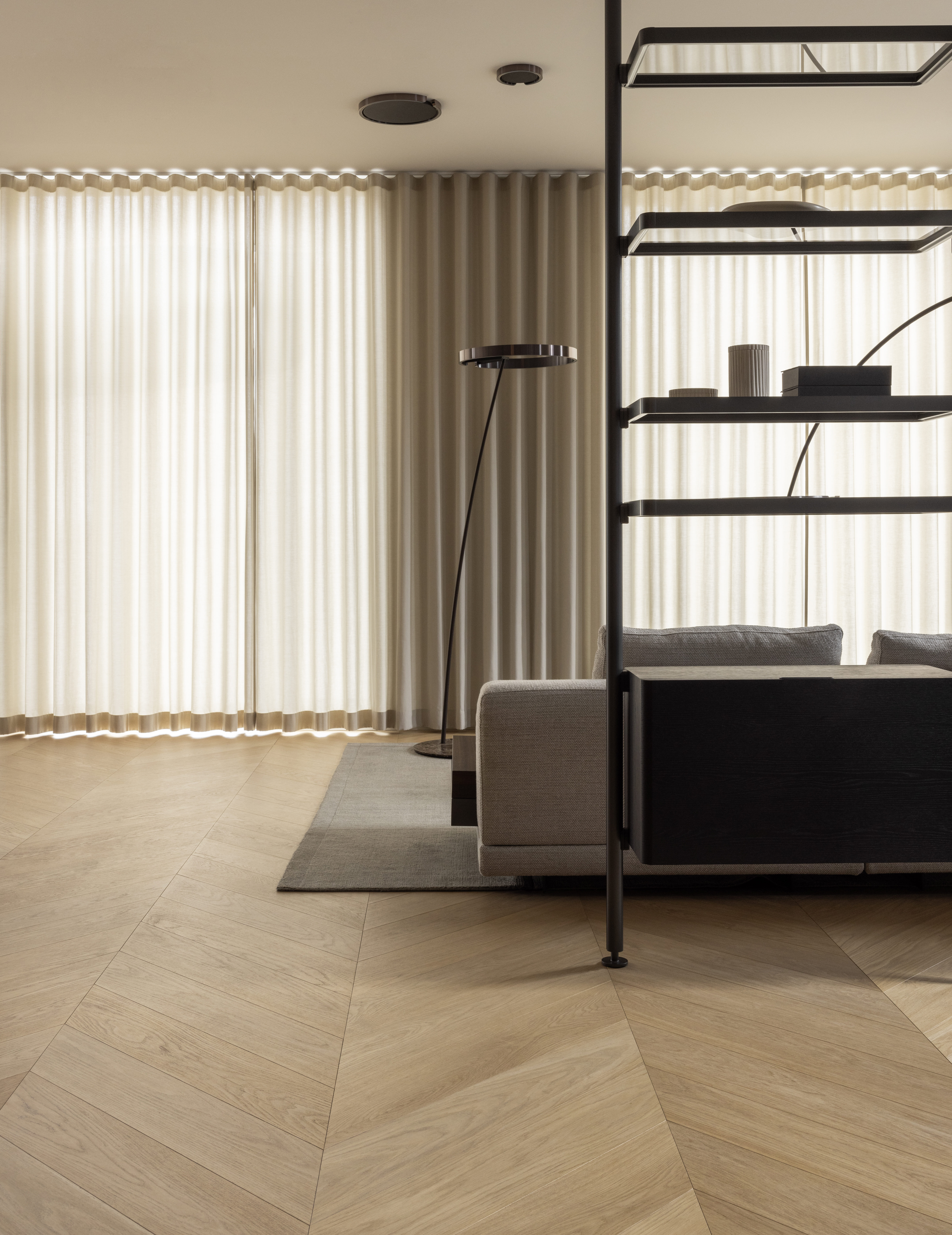
Chevron floor in 200 x 1000 mm
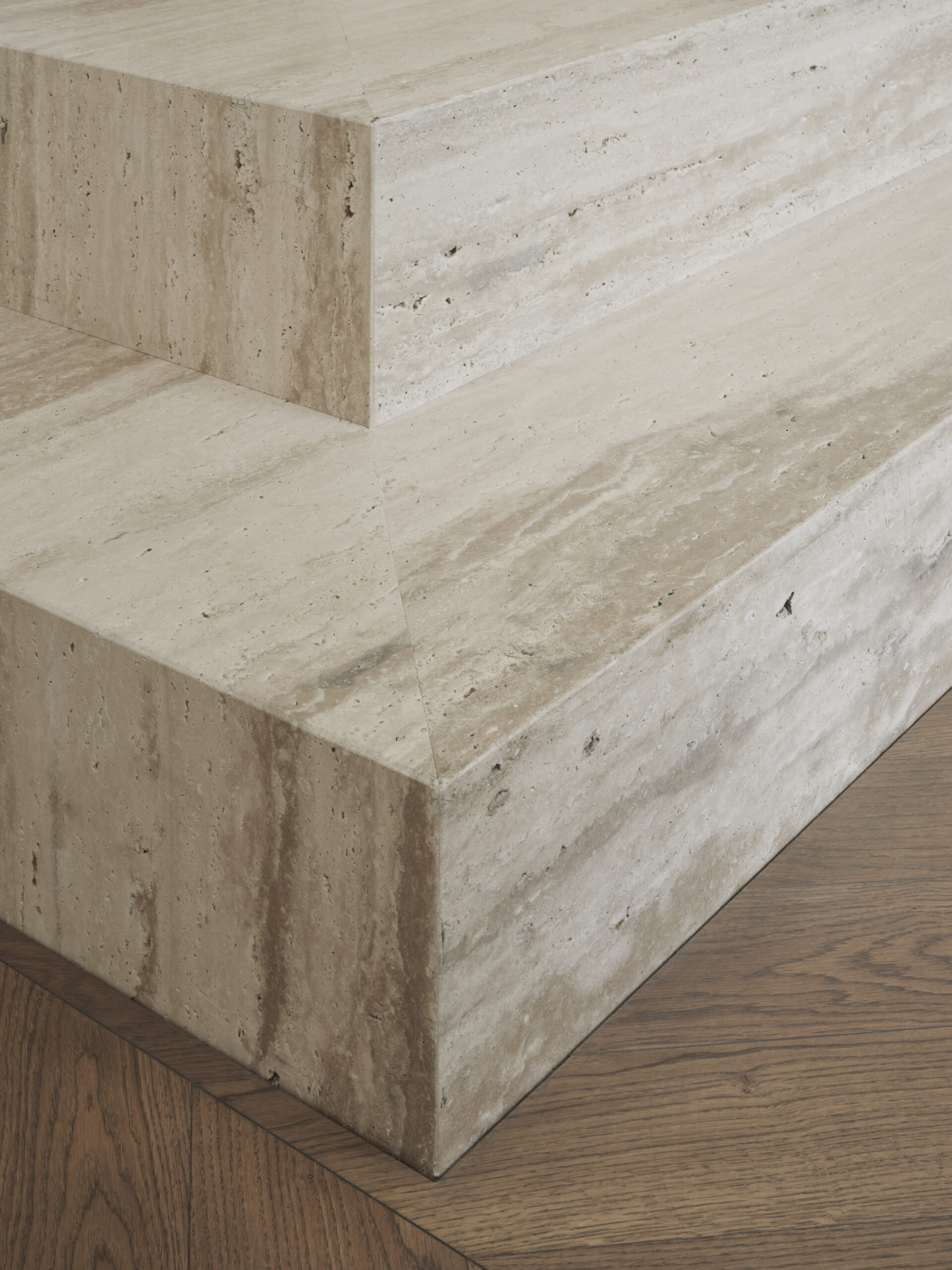
Chevron floor in the AOJN Interiors office
3 — Scandinavian minimalism gets an international touch
With a global perspective, the simple beauty of Nordic aesthetics merges with influences from different cultures and design traditions, creating wooden floors that are both timeless and contemporary. The Scandinavian sense of light, airy surfaces and natural materials takes on new dimensions when combined with new shapes and colour palettes.
Scandinavian minimalism with an international touch is about embracing the global while retaining a sense of authenticity and natural elegance. In 2026, wooden floors are not just surfaces to walk on – they become a bridge between cultures and styles, where timeless Nordic design meets the worldly and expressive.
4 — More wood species take their place
Variety in wood species is increasingly in demand. Species such as Douglas fir and ash are becoming more and more popular. Combined with traditional species such as oak, they create new and unique expressions. We see much more playfulness in the use of different wood species, where each species is given its own visual role and is often combined with others. We often see light Douglas fir against dark-stained oak, or light ash floors against interiors in walnut or grey-stained oak.
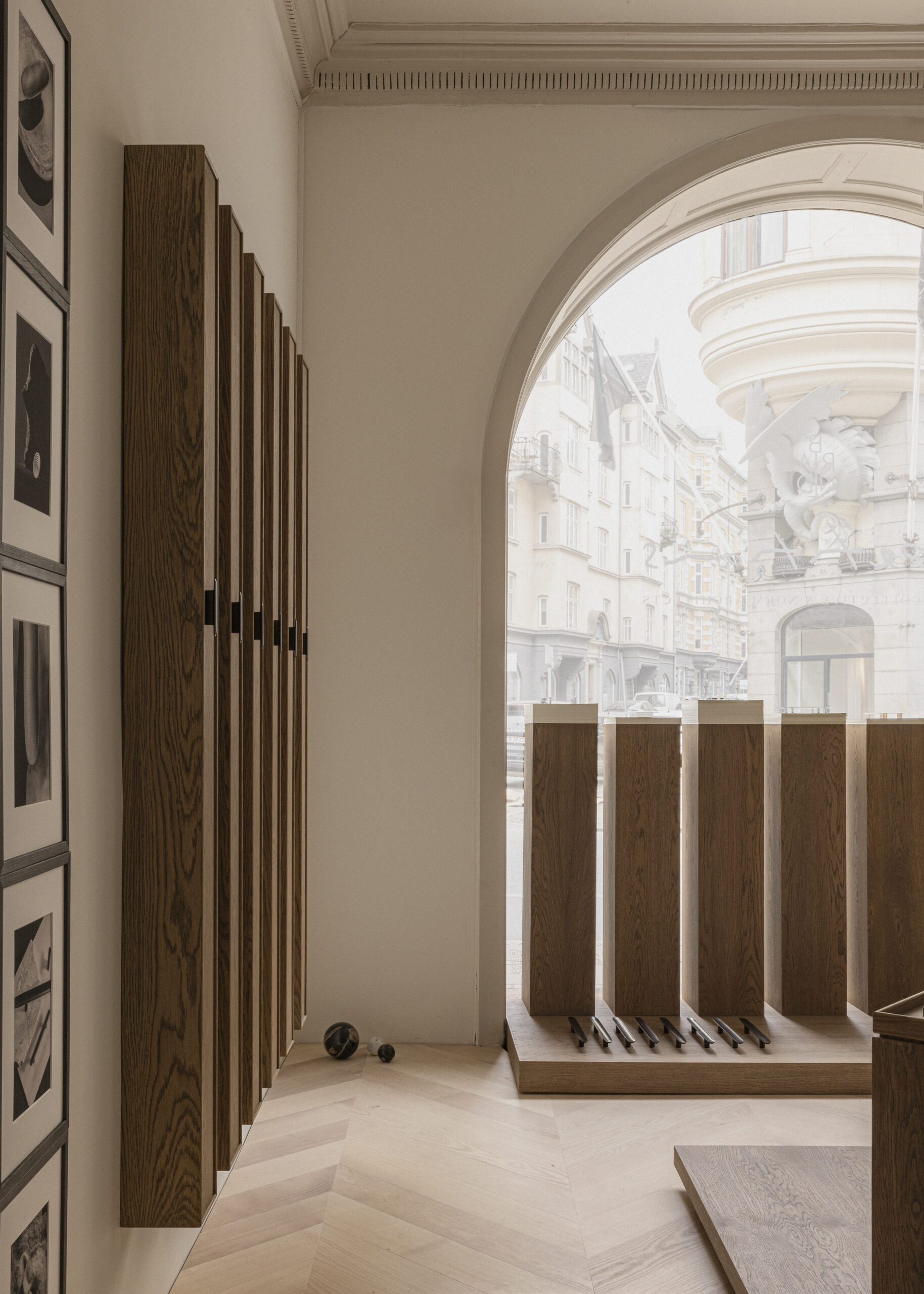
Chevron floor in ash
5 — Wood throughout the interior
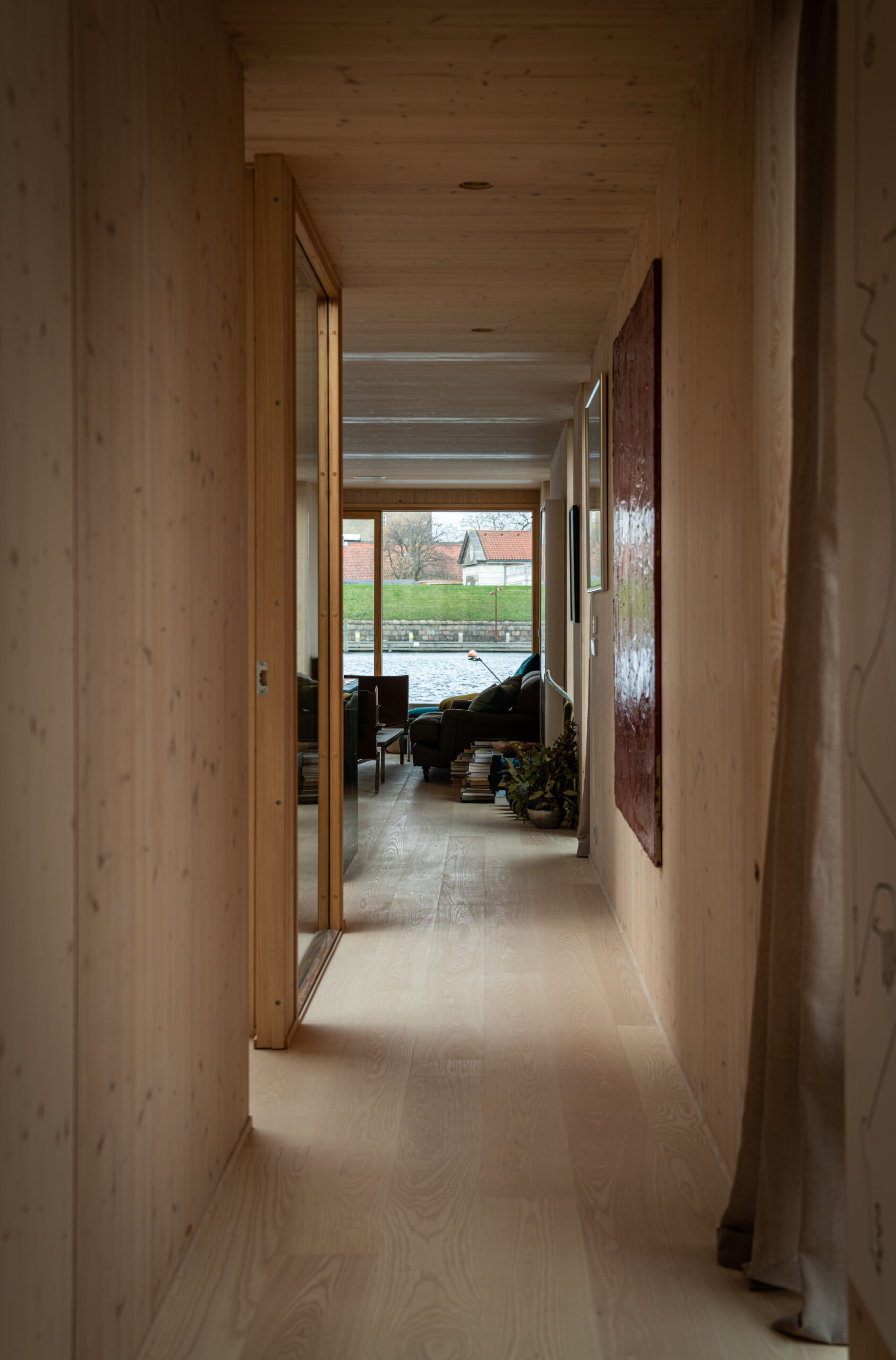
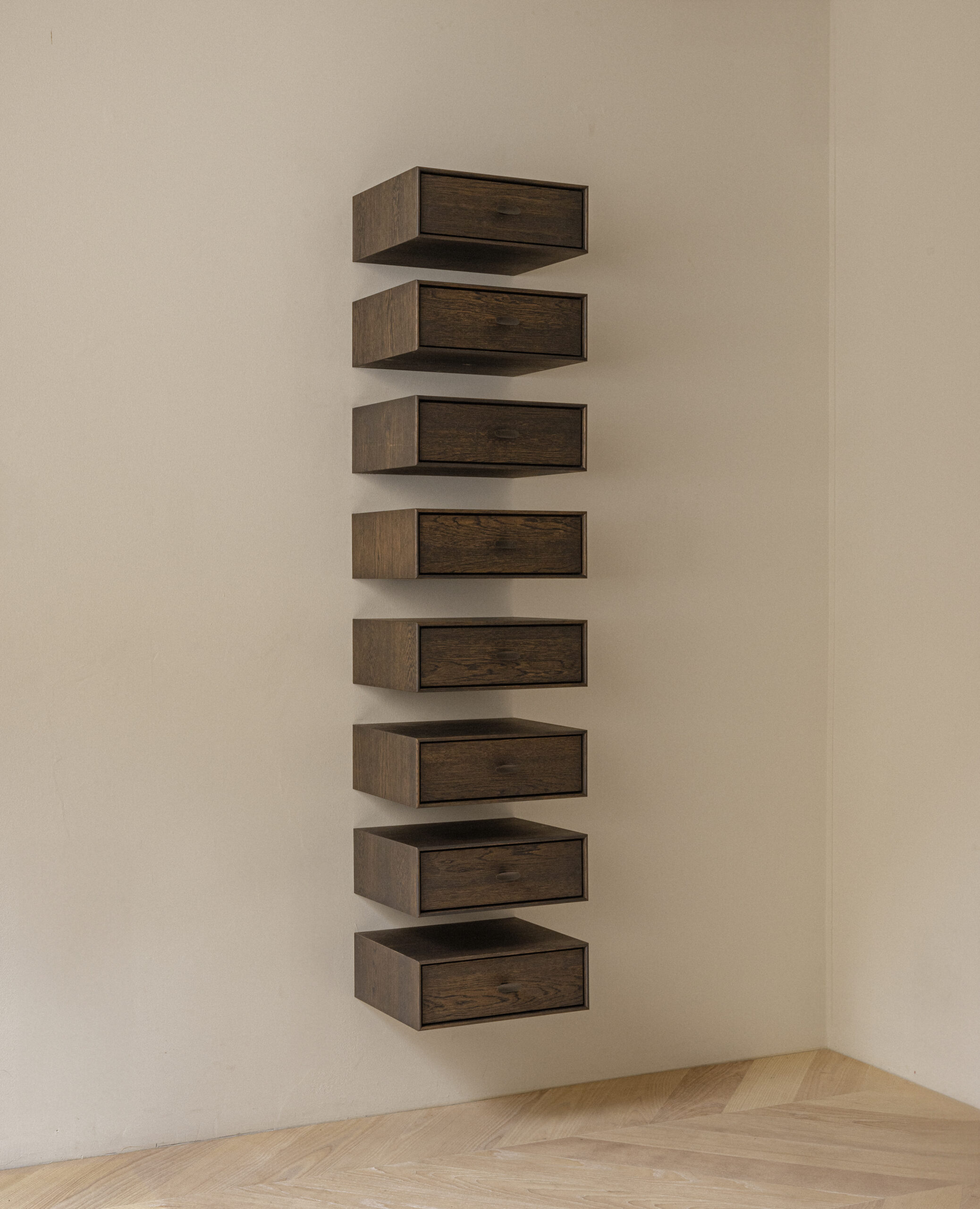
Finally, we see clear signs of wood generally taking a larger role in architecture, in everything from wooden floors to ceilings, walls and kitchens. When wood is used throughout a home, from floor to ceiling, it creates a cohesive aesthetic where naturalness, warmth and timelessness take centre stage. This holistic approach to the use of wood reflects a deep understanding of both the technical and aesthetic qualities of the material, resulting in spaces that are sustainable, healthy and beautiful. When wood is used consistently throughout the interior – from wooden floors to kitchens, walls and ceilings – a seamlessness is achieved that creates a well-considered and harmonious home. Here it is important to work with contrasts between different surfaces and finishes to avoid an overly monotonous interior.